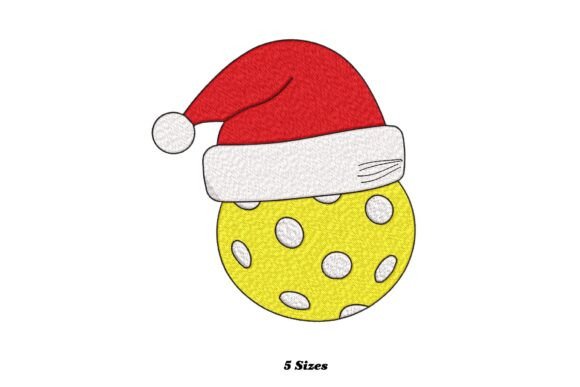
Pickleball Christmas: A Designer's Review for Merch
As an embroidery designer who has spent years translating digital concepts into tangible threads, I approach every new machine embroidery design with a critical eye. The goal is never just to make something look pretty; it is to ensure the design survives the rigors of production and elevates the brand using it. When I first opened the file for Pickleball Christmas, my initial reaction was one of immediate engagement. The concept blends the rapidly growing popularity of sports culture with the timeless warmth of the holiday season. For small business owners, this intersection offers a unique opportunity to capture a specific demographic that often feels overlooked by generic seasonal offerings.
First Impressions: Professionalism Meets Playful Spirit
The visual personality of Pickleball Christmas strikes a balance between playful and premium. It does not feel cluttered or overly rustic, which is a common pitfall in holiday-themed designs. Instead, it presents a clean aesthetic suitable for both high-end boutique merchandise and functional workwear. The description highlights its versatility for home décor and clothing, but from a commercial standpoint, the real value lies in its potential as a cohesive brand identity asset. The design appears bold enough to stand out on dark fabrics yet detailed enough to maintain elegance on lighter tones. This duality makes it an excellent candidate for small business merch where versatility is key to maximizing inventory investment.
Evaluating Real-World Business Applications
When considering how Pickleball Christmas performs in actual production environments, several use cases immediately come to mind. For local cafes or sports boutiques looking to engage their community during the holidays, this design serves as an excellent conversation starter. Imagine a staff member wearing a custom apron featuring this motif; it instantly signals that the business is current, fun, and community-focused. The design translates exceptionally well into embroidered patch applications. Patches are cost-effective for small businesses because they can be pre-made and applied to various items like denim jackets, tote bags, or canvas backpacks without needing a large industrial machine on-site.
In the realm of custom apparel, the design works beautifully as a chest logo accent on crewnecks or hoodies. For a pickleball club or a local team selling holiday gear, placing Pickleball Christmas on the left chest creates a professional look that mimics major league branding. Furthermore, cap embroidery is another strong contender. The curved surface of a baseball cap requires a design that maintains its integrity when stretched, and the structural elements of this design appear robust enough to handle the tension of a 3x3 inch hoop without distortion. Additionally, consider the potential for tote bag design. As eco-friendly shopping becomes standard, a branded tote featuring this festive sports theme becomes a walking advertisement for your shop throughout the holiday season.
Strategic Uses for Product Labels and Packaging
Beyond clothing, Pickleball Christmas can elevate the perceived value of physical goods. Handmade brands often struggle to differentiate their packaging from mass-market competitors. By incorporating a small version of this design onto fabric gift tags, ribbon pulls, or even as a sewn-on label for handmade quilts or blankets, you create a sense of exclusivity. This attention to detail fosters customer trust and encourages repeat purchases. For event organizers, creating limited-edition commercial embroidery projects using this file can serve as memorable swag for tournaments or charity drives, reinforcing the connection between the sport and the holiday spirit.
Technical Considerations and Design Limitations
While the aesthetic appeal is strong, any experienced designer knows that technical execution is where many projects fail. There are specific scenarios where Pickleball Christmas should be used with caution. First, avoid shrinking the design too aggressively for tiny patch sizes. If the design includes intricate details or fine lines, reducing it below a certain threshold can cause stitching issues, such as thread breakage or blurred imagery. Always review the stitch density before committing to production. High-density areas may require specialized underlays or thicker stabilizers to prevent puckering, especially on textured fabrics like fleece or heavy cotton.
Another critical factor is the application on curved surfaces beyond caps. While the design seems sturdy, complex curves on bottles or irregularly shaped items can distort the final image. Additionally, if you plan to use this on dark uniforms, ensure that the thread colors provide sufficient contrast. Holiday reds and greens can sometimes blend into dark navy or black backgrounds if the saturation is not adjusted correctly in the digitizing process. Finally, consider the washing durability. Items that will undergo frequent industrial laundering, such as restaurant aprons or gym wear, need a design with secure trims and minimal loose ends. Test the finished product through multiple wash cycles to ensure the design holds up over time.
Impact on Brand Identity and Customer Engagement
Integrating Pickleball Christmas into your product line does more than just sell a shirt; it strengthens your brand identity. In a crowded market, showing that you understand your customer's hobbies and seasonal interests builds a deeper emotional connection. This design signals that your business is modern and attuned to current trends. For Etsy sellers and crafters, offering products with this specific theme can drive significant traffic during the Q4 rush, as customers actively search for niche holiday gifts. The visual consistency provided by a well-executed digital embroidery file ensures that every item leaving your shop looks professional, thereby increasing the perceived value of your handmade products.
Furthermore, the ability to create printable mockups allows you to showcase these designs to clients before cutting a single thread. Presenting a realistic rendering of the design on a cap, apron, or tote bag helps clients visualize the end result, streamlining the approval process and reducing the likelihood of costly revisions. This transparency builds confidence and demonstrates your expertise as a decorator.
Practical Designer Notes for Production Success
To ensure the best results when bringing Pickleball Christmas to life, follow these essential steps. First, always test the design in black and white on scrap fabric before running the full colorway. This reveals any spacing issues or density problems that might be hidden by vibrant thread colors. Confirm the required hoop size matches your equipment and the garment you intend to decorate. If the design is larger than your hoop, you may need to split it, which requires careful alignment to avoid visible seams.
Select the appropriate stabilizer based on the fabric texture. Lightweight wovens need tear-away stabilizers, while knits and stretchy materials require cut-away or water-soluble options to maintain shape. Create a physical mockup for client approval whenever possible; seeing the thread texture and sheen in person is invaluable. Compare the design beside other assets in your portfolio to ensure it fits your overall style guide. Most importantly, confirm the commercial licensing terms before using the file for business purposes. Ensure you have the right to reproduce the design on merchandise for sale, whether it is for patches, apparel, or promotional items. By adhering to these guidelines, you transform a simple embroidery file into a powerful tool for business growth and creative expression.