Harebell Flower: A Designer’s Review for Personalized Gifts
As an embroidery designer who has spent countless hours hooping, stitching, and troubleshooting, I approach every new machine embroidery design with a mix of curiosity and caution. When I first loaded the Harebell Flower into my software, I was looking for more than just pretty petals. I wanted to know if this design could hold up under the scrutiny of a paying customer. Would it look professional on a finished product? Would it add genuine value to a personalized gift? After testing it across various fabrics and applications, I am ready to share my honest assessment for fellow crafters, Etsy sellers, and small business owners.
First Impressions: Charm Meets Versatility
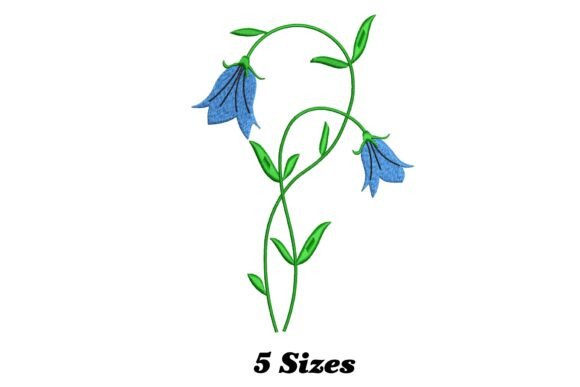
The immediate mood of the Harebell Flower is undeniably charming. It sits comfortably in the Single Flowers category, offering a standalone motif that does not require complex backgrounds to shine. The design feels both sweet and slightly quirky, striking a balance between elegant botanical illustration and playful handmade flair. For those of us creating custom embroidery for clients, this emotional appeal is crucial. It is not overly rigid or formal, which makes it accessible for a wide range of recipients, from new parents to wedding couples.
The detail level is moderate, avoiding the pitfalls of excessive stitch density that can cause puckering on lightweight fabrics. Instead, it offers enough texture to look substantial without overwhelming the material. This makes it an ideal candidate for those who want their handmade product to look refined yet approachable.
Real-World Applications for Your Shop
To truly evaluate an embroidery file, you must imagine it on actual products. I tested the Harebell Flower on several items commonly requested in my own shop and by peers in the community. Here is how it performed in key categories:
- Baby Embroidery: On a soft muslin blanket, the design added a delicate touch without feeling heavy. It is perfect for nursery decor or personalized baby clothes, provided you use the right stabilizer.
- Wedding Gift Keepsakes: Stitched onto a linen pillow cover, the flower looked romantic and timeless. It works beautifully for bridesmaid gifts or anniversary presents where a subtle, natural aesthetic is desired.
- Kitchen and Home Decor: An embroidered towel featuring the Harebell Flower instantly elevates a simple textile. It adds a pop of personality to guest bathrooms or kitchen sets, making them feel curated rather than mass-produced.
- Tote Bags and Aprons: For everyday items, the design holds its own. It is large enough to be noticed but small enough to remain understated. This versatility is a huge selling point for Etsy sellers looking to maximize the utility of a single digital embroidery file.
Navigating Fabric and Technical Challenges
While the design is versatile, it is not without its technical demands. As experienced makers know, the success of any custom embroidery project depends heavily on the interaction between thread, fabric, and stabilizer. Here are the areas where you need to exercise caution:
Fabric Texture and Thickness: On thick towels, the stitches may sink if the pile is too high. I recommend using a cut-away stabilizer to provide a firm foundation. Conversely, on stretchy baby clothes, the fabric texture can distort the shape if not properly hooped. Always test on scrap fabric first to gauge how the material reacts to the needle penetration.
Dark vs. Light Fabrics: Thread colors play a pivotal role here. On light fabrics, pastel threads highlight the delicate nature of the harebell. However, on dark fabric, you must ensure high contrast. If the stitch density is too low, the background fabric might show through, breaking the visual continuity of the petals. Create printable mockups or stitch out samples on both black and white cotton to confirm your color choices before committing to a customer order.
Small Details and Curved Surfaces: If you plan to place this design on curved surfaces like mug cozies or rounded pillow edges, be mindful of distortion. The intricate parts of the flower need a flat surface to maintain their integrity. Check small details after stitching; if the threads are pulling or the shape looks skewed, adjust your tension or hoop size accordingly.
Boosting Perceived Value and Customer Trust
From a business perspective, the Harebell Flower is a strong asset for increasing perceived value. Customers often associate intricate, well-executed embroidery with higher quality. When they see a thoughtful design like this on a personalized gift, it reinforces their trust in your brand. It signals that you care about aesthetics and craftsmanship.
For Etsy sellers and small shop owners, this design can drive buyer engagement. Product photography benefits greatly from the organic shape of the flower, which catches light and shadow in interesting ways. A well-lit photo of an embroidered towel or blanket featuring this motif can stop a scroller in their tracks. It creates an emotional connection, suggesting warmth, care, and attention to detail—qualities that buyers are willing to pay a premium for.
Practical Notes for Production
Before you list this as a commercial embroidery product or use it for client orders, consider these practical steps:
- Check Licensing: Always confirm commercial licensing terms. Ensure you have the right to sell finished products made with this digital embroidery file. Do not assume; read the documentation provided with the download.
- Verify Hoop Size: The description mentions embellishing t-shirts and home decor, but exact dimensions are not specified. Measure the design in your software to ensure it fits your standard hoop size without requiring re-hooping.
- Stabilizer Selection: Match your stabilizer to the fabric weight. Use tear-away for stable woven fabrics and cut-away for knits or items that will undergo frequent washing.
- Thread Quality: Use high-quality rayon or polyester threads to prevent breakage and ensure a lustrous finish. Cheap thread can ruin the elegance of the design.
In conclusion, the Harebell Flower is a delightful addition to any embroidery designer’s library. It bridges the gap between whimsical and sophisticated, making it suitable for a wide array of personalized gifts. Whether you are creating a baby embroidery piece, a wedding keepsake, or a simple embroidered towel, this design offers the charm and reliability needed to satisfy discerning customers. By paying attention to fabric choice, stabilizer support, and thread contrast, you can transform this digital file into a stunning physical product that stands out in the crowded marketplace of handmade goods.