N One Line Beautiful Letter: A Designer Review
As a designer who has spent years navigating the delicate balance between artistic vision and machine limitations, I approach every new machine embroidery design with a critical eye. The market is flooded with generic assets, but occasionally, a file arrives that promises genuine elegance. That was my initial reaction to N One Line Beautiful Letter. On the surface, it appears to be a simple monogram, but its promise of a seamless, continuous line suggests a level of sophistication that could elevate a standard project into a boutique-quality piece. Before integrating this embroidery file into my commercial workflow or recommending it to fellow crafters, I needed to understand how it translates from a digital preview to a tangible, stitched reality.
The First Impression: Minimalism Meets Sophistication
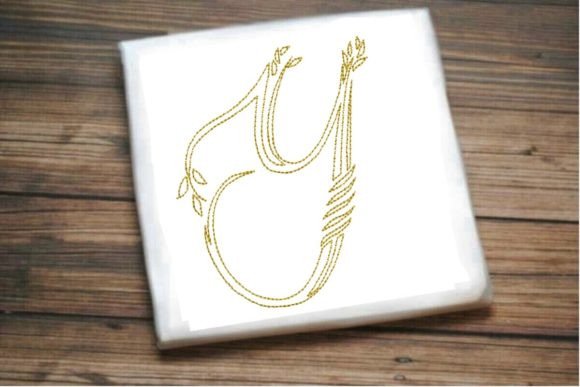
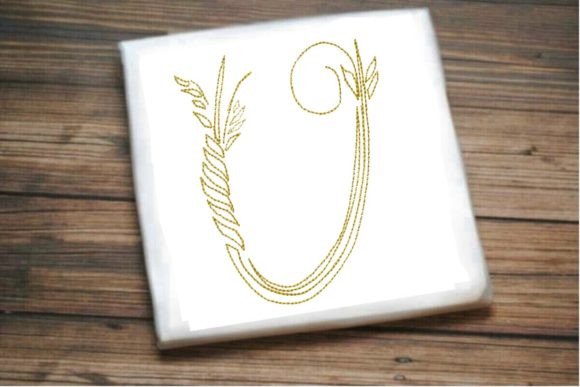
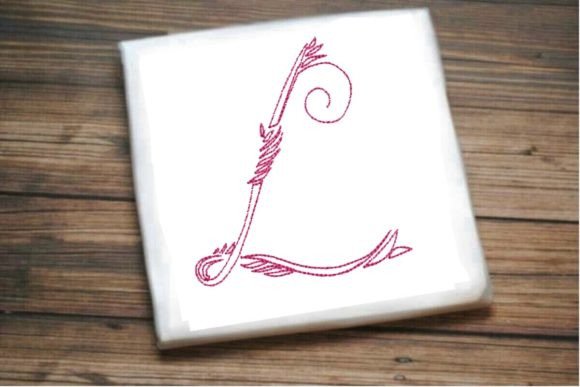
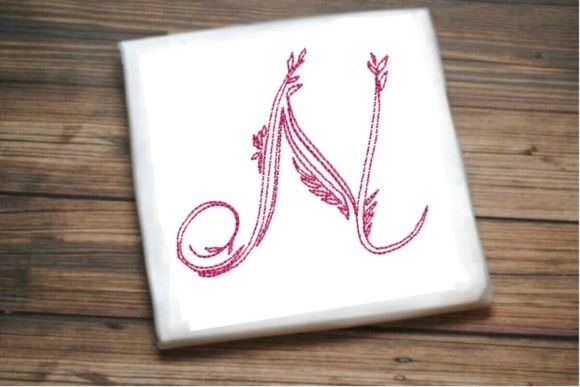
When I first loaded N One Line Beautiful Letter into my digitizing software, the visual personality was immediately clear. This is not a heavy, dense block of thread; it is an exercise in flow. The "one line" concept creates a sense of movement that static lettering often lacks. It feels modern, airy, and distinctly high-end. For a Wedding Monogram, this style is particularly compelling because it avoids the cluttered look of traditional script fonts while maintaining a romantic, hand-drawn aesthetic.
The layout is balanced, with curves that feel organic rather than mathematically rigid. In the context of custom apparel, this design stands out without overwhelming the garment. It whispers luxury rather than shouting for attention. However, the simplicity of a single continuous line means that every millimeter of stitching counts. There is no fill stitch to hide minor registration errors, and there are no complex underlays to mask fabric texture issues. This design demands precision, both in the machine's execution and in the designer's preparation.
A Real-World Scenario: The Premium Tote Bag Project
To truly evaluate the utility of N One Line Beautiful Letter, I imagined a specific client request: a limited-run collection of organic cotton tote bags for a local bridal boutique. The goal was to create a reusable shopping bag that felt like a keepsake, featuring a custom monogram on the front pocket. This is a classic use case where the tote bag design needs to be legible from a distance yet intricate enough to justify a higher price point.
In this scenario, the continuous line of the letter becomes a major asset. Unlike multi-stroke letters that can suffer from slight misalignment on a moving hoop, a one-line design flows naturally across the fabric grain. I envisioned using a soft sage green thread on a natural unbleached canvas. The contrast would be subtle, relying on the sheen of the thread rather than bold color blocking. The result would be a finished product that looks professionally branded, perfect for an Etsy seller or small shop owner looking to differentiate their merchandise from mass-produced competitors.
However, the real test comes when considering the fabric. Tote bags are sturdy, but they have a distinct weave. If the stitch density of N One Line Beautiful Letter is too low, the canvas texture might show through, making the letter look broken. Conversely, if the density is too high, the fabric could pucker, ruining the sleek silhouette of the continuous line. This is where the practical application requires careful thought.
Performance on Different Fabrics and Surfaces
While the design shines on stable fabrics like canvas, denim, or linen, applying N One Line Beautiful Letter to other materials requires caution. For sweatshirt embroidery, the stretch of the knit fabric can distort a long, continuous line. As the fabric stretches during hooping or wear, the single line may warp, breaking the visual rhythm of the letter. Using a cut-away stabilizer is non-negotiable here to maintain the structural integrity of the design.
Similarly, caps and hats present a unique challenge. Curved surfaces often cause thread tension issues, and a one-line design offers no margin for error. If the cap panel is not perfectly stabilized, the continuous line might sink into the seam or pull unevenly. For baby embroidery on onesies, the softness of the jersey fabric is ideal for comfort, but the lack of rigidity means the design must be tested thoroughly to ensure the line remains smooth after washing.
Dark fabrics also warrant special consideration. A single line of light thread on a black background can sometimes appear faint if the thread colors are not carefully selected. While a fill stitch adds weight and visibility, a running stitch or thin satin line relies heavily on the opacity of the thread. Designers should consider doubling the number of passes or using a metallic thread to enhance visibility on dark backgrounds without adding bulk.
Where to Exercise Caution
There are specific situations where N One Line Beautiful Letter might struggle. Small hoop sizes can truncate the flow of the letter, forcing the machine to jump stitches in awkward places. Since the design relies on continuity, any interruption breaks the illusion of a hand-drawn stroke. Additionally, highly textured fabrics like boucle or heavy velvet can disrupt the path of the needle, causing the line to become jagged.
For holiday gifts involving layered garments, such as a scarf or a shawl, the thickness of the material can make it difficult to achieve the crisp definition this design requires. The hoop size must accommodate the full span of the letter without distorting the surrounding fabric. Finally, products that undergo frequent industrial washing, like aprons for professional kitchens, may see the delicate line fray over time if the stitch count is too low.
Design Notes for Professional Execution
Before committing N One Line Beautiful Letter to a paid client order or a large batch of inventory, follow these practical steps to ensure success:
- Test on Scrap Fabric: Always run a test stitch on the exact fabric you intend to use. Check how the continuous line interacts with the weave.
- Verify Stabilizer Choice: Use a tear-away stabilizer for woven fabrics and a cut-away for knits to prevent distortion of the line.
- Check Thread Contrast: Ensure the chosen thread colors provide enough visibility against the background, especially on dark or patterned textiles.
- Inspect Small Details: Zoom in on the digital preview to check for sharp corners or tight loops that might cause thread breakage during stitching.
- Review Licensing: Confirm whether the digital embroidery file allows for commercial use. Selling finished items or offering the file itself requires clear permission from the creator.
- Create Mockups: Generate a printable mockup in black and white to assess the clarity of the letter before spending thread and time.
Impact on Brand Value and Customer Perception
Ultimately, the decision to use N One Line Beautiful Letter goes beyond technical feasibility; it is about brand identity. This design signals attention to detail and a commitment to quality. For a craft business, incorporating such a refined element into personalized gifts can significantly increase perceived value. Customers are willing to pay more for items that look bespoke rather than generic.
The clean lines of this embroidery project foster trust. They suggest that the maker understands the nuances of commercial embroidery and cares about the final presentation. Whether used for a pillow cover, a tea towel, or a custom patch, the design enhances the handmade appeal while maintaining a polished, professional finish. It bridges the gap between hobbyist creativity and enterprise-level branding.
In conclusion, N One Line Beautiful Letter is a versatile asset for designers who prioritize elegance and flow. It is not a "set it and forget it" design; it requires thoughtful preparation regarding fabric choice, stabilization, and thread selection. But when executed correctly, it transforms ordinary items into standout pieces that customers will cherish. For those looking to refine their portfolio and offer something truly unique, this design is a worthy addition to your library of design assets.