Funny Duck: A Craft Fair Review for Embroidery Sellers
As an embroidery designer who has spent countless weekends behind a booth table, I have learned that not every design is created equal when it comes to sales. Some designs are beautiful but too subtle for a busy market aisle, while others are loud but lack the quality finish customers expect from a handmade product. Today, I am reviewing Funny Duck, a machine embroidery design that promises to transform fabrics with charm and add a quirky accent to any project. Let’s break down whether this design deserves a spot in your next craft fair lineup.
First Impressions and Visual Appeal
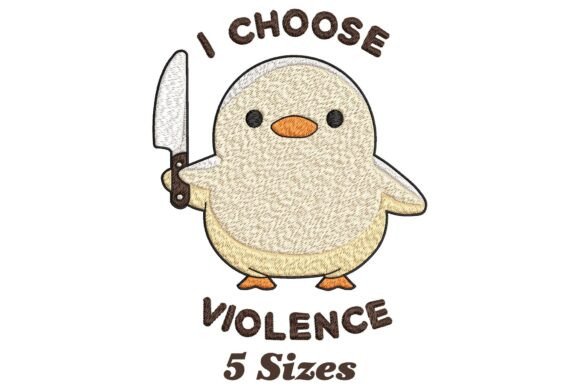
The title Funny Duck immediately sets a tone. It suggests humor, lightheartedness, and approachability. In the world of Animal Quotes and character-based Embroidery, this type of design often appeals to a broad demographic, from parents looking for cute kids' items to adults who appreciate whimsical home decor. The description highlights its ability to add a fun accent, which tells me this design likely relies on strong outlines or expressive features rather than intricate, photorealistic shading.
For a craft fair seller, visual clarity is king. Customers walk past tables quickly. If they cannot understand what the design is within three seconds, they keep walking. Funny Duck appears to be built for instant recognition. Its "cool" and "quirky" nature suggests it will stand out against neutral backgrounds, making it an excellent candidate for high-traffic displays.
Best Products for Maximum Sales
Not every item in your inventory should carry the same design. Based on the versatility mentioned in the product details, here is how I would deploy Funny Duck across different product lines:
- Tote Bags and Market Bags: This is arguably the best application. A large, centered duck on a canvas tote creates an immediate statement piece. It serves as both a functional item and a walking advertisement for your brand.
- Tea Towels and Kitchen Linens: The description specifically mentions towels. Embroidered kitchen textiles are perennial bestsellers at fairs. Placing Funny Duck on the corner or center of a tea towel adds value without overwhelming the fabric's utility.
- Aprons: Whether for kids or adults, an apron with a humorous animal motif sells well during holiday seasons. It makes for a perfect gift item.
- Embroidered Patches: If the design scales down well, turning it into an iron-on or sew-on patch allows customers to customize their own jackets or bags, increasing engagement at your booth.
While t-shirts are mentioned, be cautious. Printing or embroidering on stretchy knit fabrics requires more skill and stabilization. For a quick-turnaround craft fair product, woven fabrics like cotton canvas or linen blends are safer and often yield a crisper result.
Production Practicality for Small Shops
As an Etsy seller or small shop owner, your time is money. You need designs that are repeatable and reliable. Funny Duck seems designed for efficiency. However, before you commit to batch production, consider these practical points:
- Stitch Density: Check the stitch density of the digital embroidery file. If it is too dense, it may cause puckering on lighter fabrics like tea towels. If it is too sparse, the backing might show through on dark fabrics.
- Thread Colors: Quirky designs often rely on contrast. Ensure you have a consistent palette. Yellow ducks with orange beaks are classic, but consider offering variations like pastel ducks for spring or muted tones for a modern farmhouse vibe.
- Hoop Size: Verify the required hoop size. If the design fits in a 4x4 inch hoop, you can produce it rapidly on smaller machines. If it requires a 5x7 or larger, factor in the extra hooping time.
Careful-Use Notes and Technical Considerations
Even the best machine embroidery design can fail if applied incorrectly. Here are specific warnings for using Funny Duck:
Fabric Texture: Textured towels can swallow up small details. If the duck has fine facial features, test it on a similar texture first. You may need to adjust the underlay or use a cut-away stabilizer to prevent distortion.
Curved Surfaces: If you plan to put this on caps, remember that curved surfaces distort designs. Keep the placement small and centered. Large designs on caps often look bulky and unprofessional.
Dark Fabrics: If stitching on navy or black, ensure the design includes enough saturation. Light thread colors on dark fabric can sometimes look thin if the stitch count is low. Consider using a lighter stabilizer color to boost brightness if necessary.
Marketing and Brand Consistency
Beyond the stitching, how does Funny Duck help your brand? It adds personality. In a sea of generic floral patterns, a humorous animal design creates a memory hook. Customers remember the "funny duck lady" at the fair. This helps with buyer engagement and word-of-mouth marketing.
For your online presence, this design is highly photogenic. Create a printable mockup or stage real photos of the duck on various items. Show it on a cozy pillow cover, a sturdy tote, and a playful apron. These design assets help customers visualize the finished product in their own homes.
Final Designer Verdict
Before you list this as a commercial embroidery product or sell finished goods, do your homework. Test the design on scrap fabric identical to your final product. Check the spacing between elements to ensure no threads bridge gaps unintentionally. Confirm the commercial licensing terms of the embroidery file to ensure you are allowed to sell physical items made with it.
Funny Duck has strong potential as a versatile, eye-catching addition to your inventory. It balances humor with craft, appealing to those who want unique, handmade items with a smile. By focusing on high-visibility products like totes and towels, and maintaining strict quality control on stitch density and fabric choice, you can turn this quirky design into a steady revenue stream for your small business.